When it comes to organizing and enhancing the functionality of your living space, even the smallest accessories can make a significant difference. Among these, the humble yet versatile double robe hook stands out as a must-have addition to any home.
The Double Robe Hook: A Versatile Organizational Solution
The
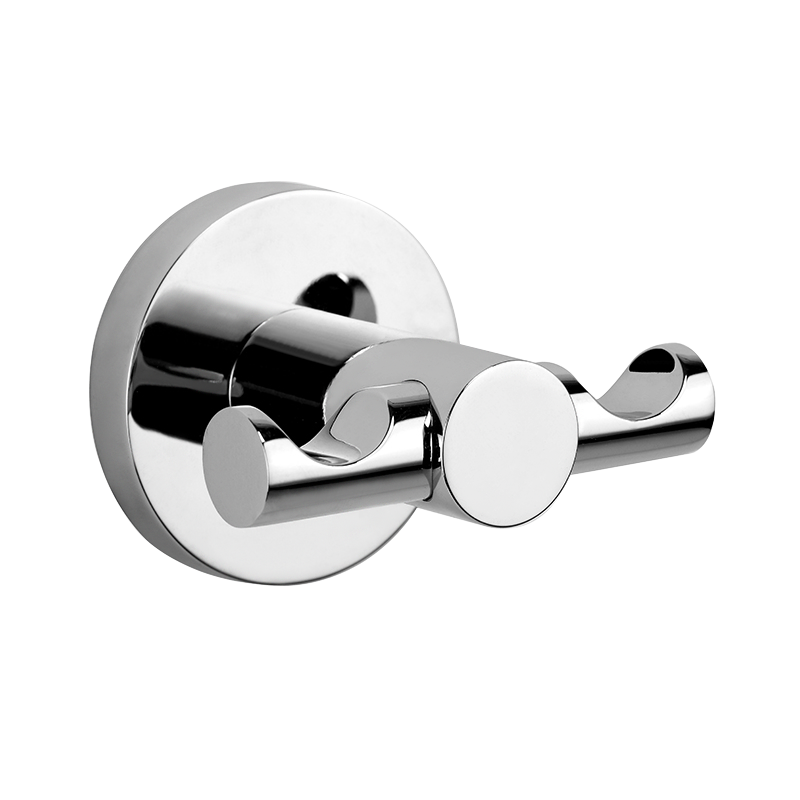
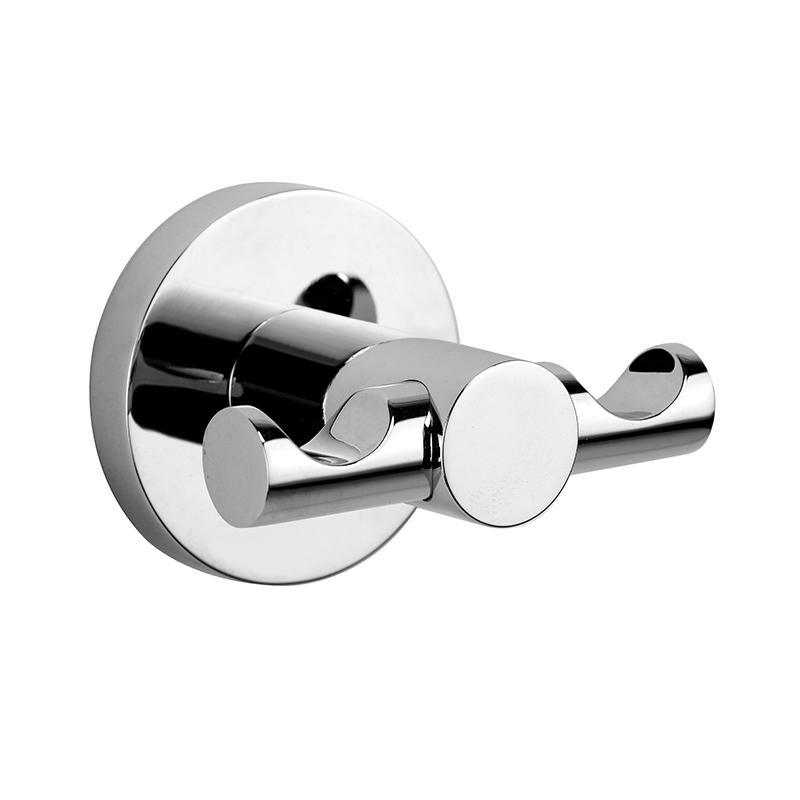
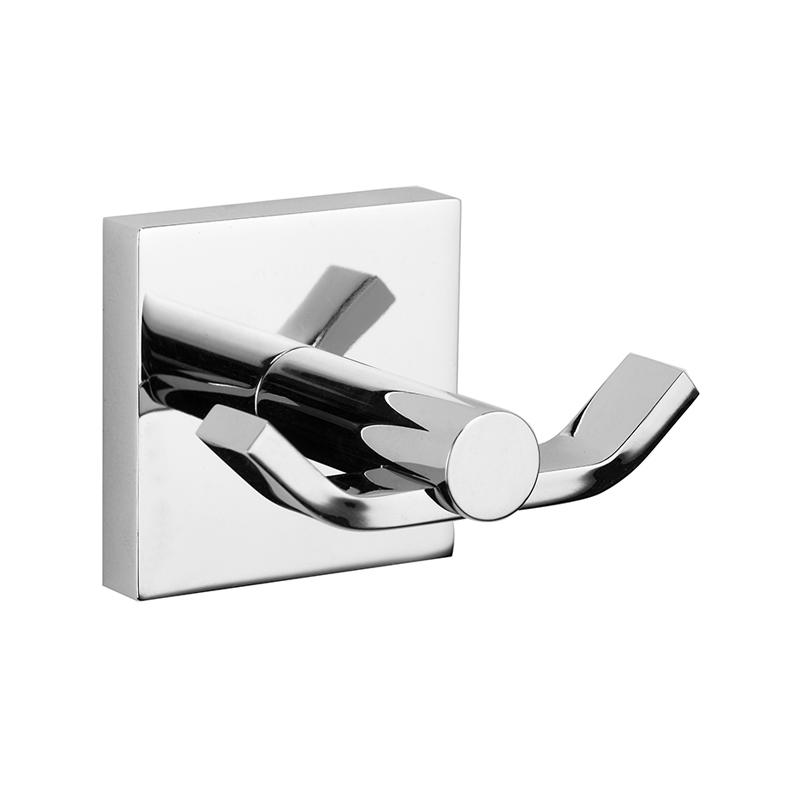
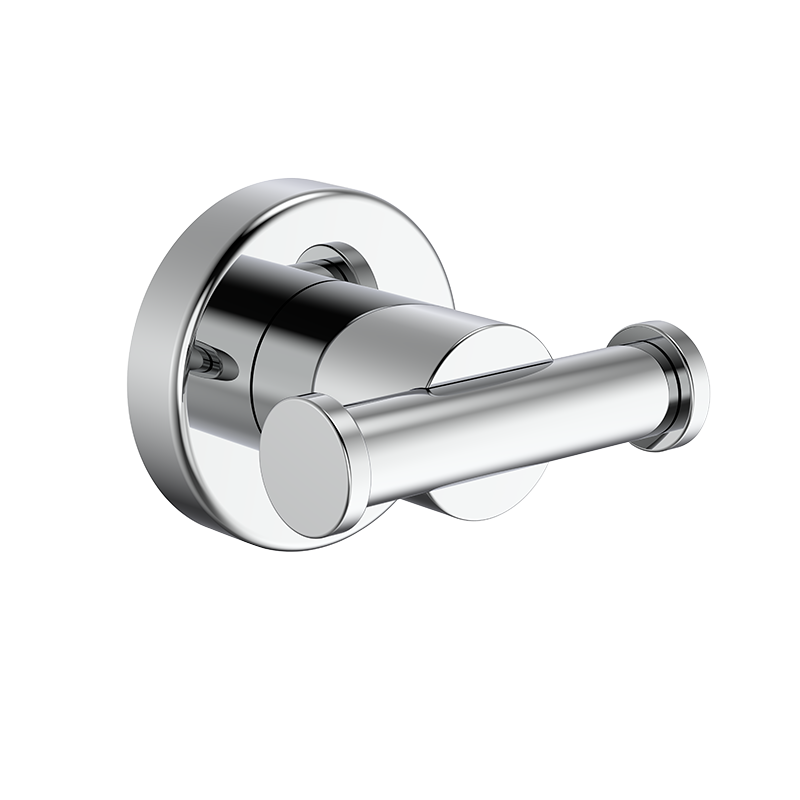
double robe hook is a simple but effective home accessory designed to hold two items simultaneously. Typically installed on walls or doors, these hooks are incredibly versatile and can be used in various rooms throughout your home. From the bedroom to the bathroom, and even in hallways and entryways, the double robe hook offers a convenient and aesthetically pleasing way to keep your belongings tidy and easily accessible.
The Benefits of Double Robe Hooks
Before delving into the various types and styles of double robe hooks available on the market, let's explore the benefits of incorporating these handy accessories into your home.
Maximized Space Utilization:
Double robe hooks are space-saving marvels. By providing a solution to hang two items in the same spot, they allow you to make the most of your available space. This is especially valuable in small apartments, bathrooms, or closets where space is at a premium.
Effortless Organization: Say goodbye to cluttered spaces and disorganized belongings. Double robe hooks offer a straightforward solution for organizing your robes, towels, coats, hats, and more. With designated hooks for different items, you can keep your living areas neat and tidy.
Easy Accessibility: One of the key advantages of double robe hooks is the ease of access they provide. Hanging your items on hooks means you can quickly grab what you need without rummaging through drawers or shelves. This convenience can save you time and reduce the daily stress of finding your essentials.
Enhanced Aesthetics: Double robe hooks are not just functional; they can also enhance the visual appeal of your living space. With a wide range of styles, finishes, and materials available, you can choose hooks that complement your decor and add a touch of elegance to your home.
Where to Use Double Robe Hooks
Now that we've highlighted the benefits of double robe hooks, let's explore the various spaces within your home where these hooks can prove invaluable.
1. Bathroom: The bathroom is a prime location for double robe hooks. You can use them to hang your bathrobe, towels, or even clothes while you shower. Installing double robe hooks near the shower or bathtub ensures that your essentials are within arm's reach.
2. Bedroom: In the bedroom,
double robe hooks can be used to keep your robes, pajamas, or scarves organized and easily accessible. They can also serve as an alternative to traditional coat racks, saving space in smaller bedrooms.
3. Entryway: Double robe hooks make for excellent additions to entryways and mudrooms. They can hold coats, hats, backpacks, and even keys, ensuring that you're ready to grab your essentials as you head out the door.
4. Kitchen: In the kitchen, double robe hooks can be utilized to hang aprons, oven mitts, or kitchen towels. This keeps your cooking essentials close at hand and prevents them from cluttering up your countertops or drawers.
5. Closet: For those with limited closet space, double robe hooks can be a game-changer. They provide extra hanging options for clothing items like belts, ties, scarves, and handbags, helping you maximize your closet's storage capacity.
Choosing the Right Double Robe Hook
Selecting the perfect double robe hook for your needs requires careful consideration of various factors. Here are some essential aspects to keep in mind when making your decision:
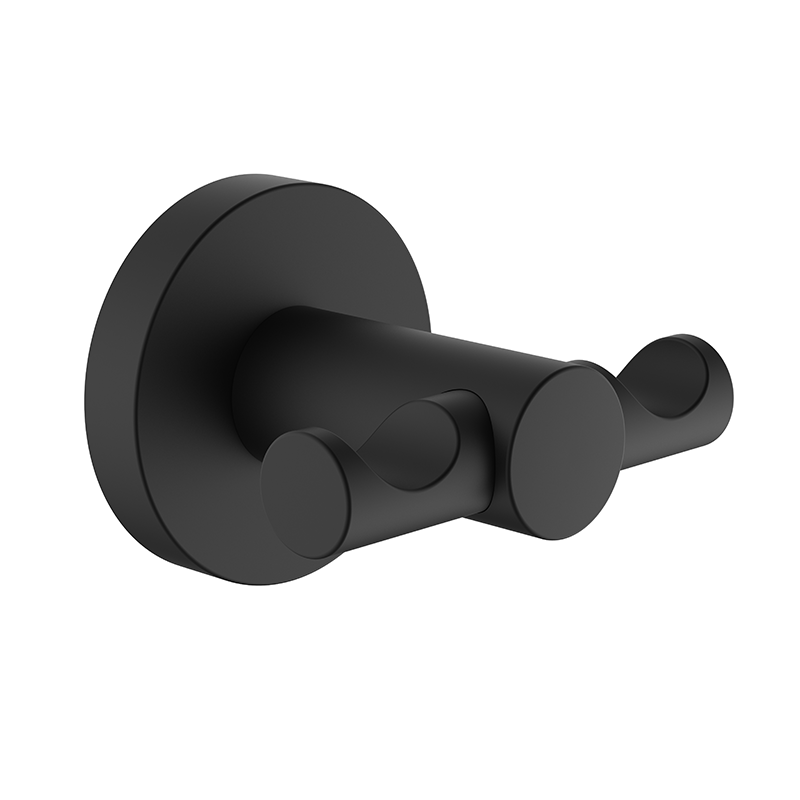
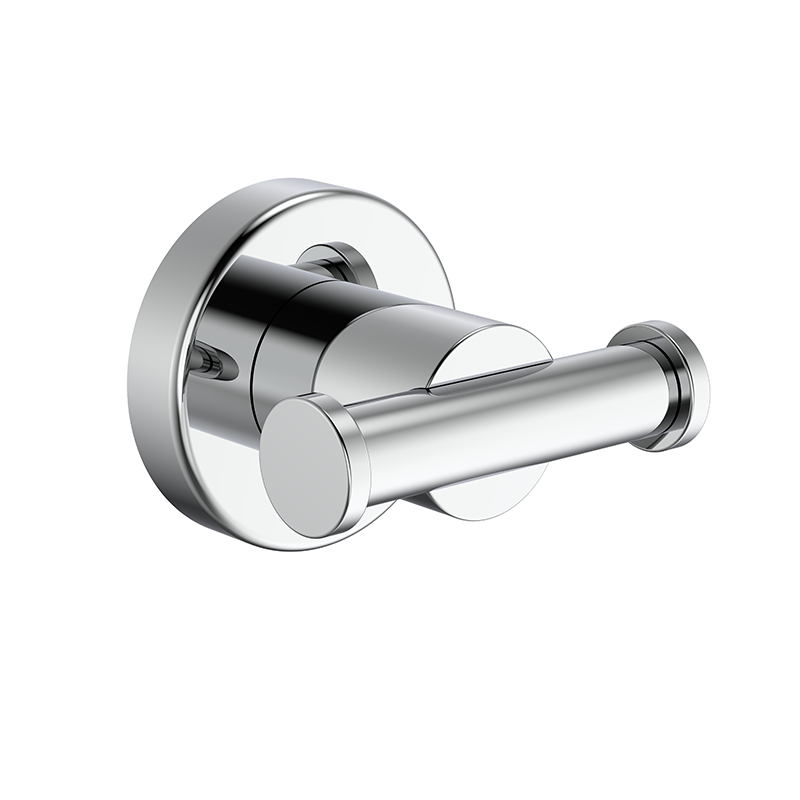
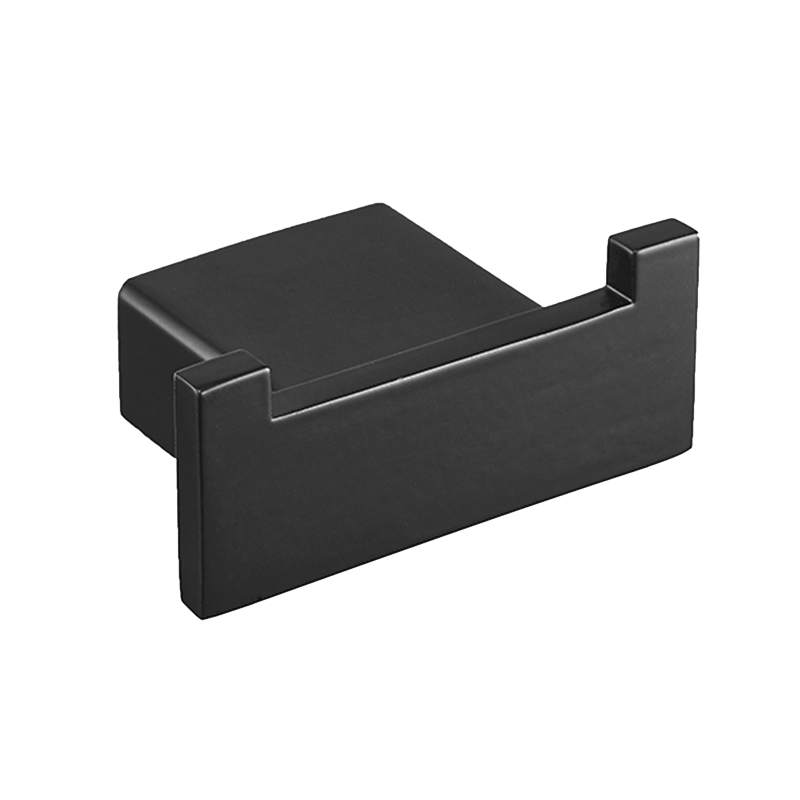
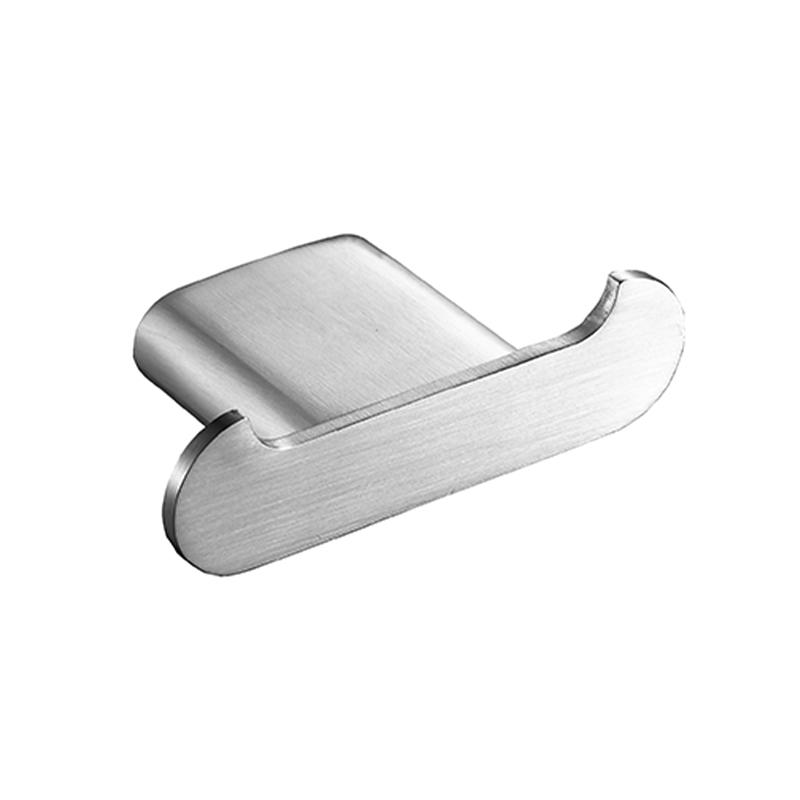
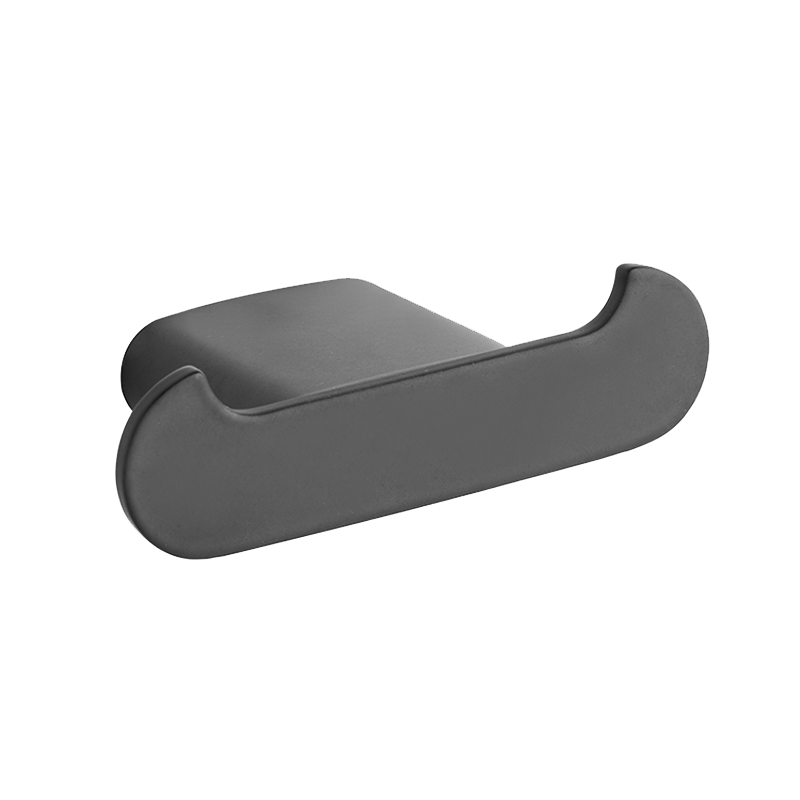
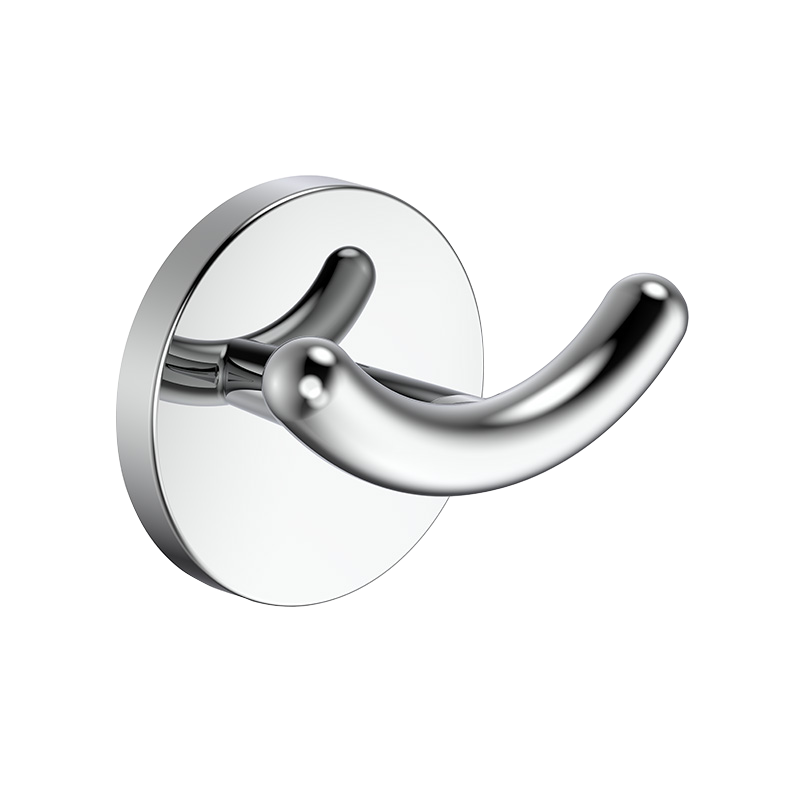
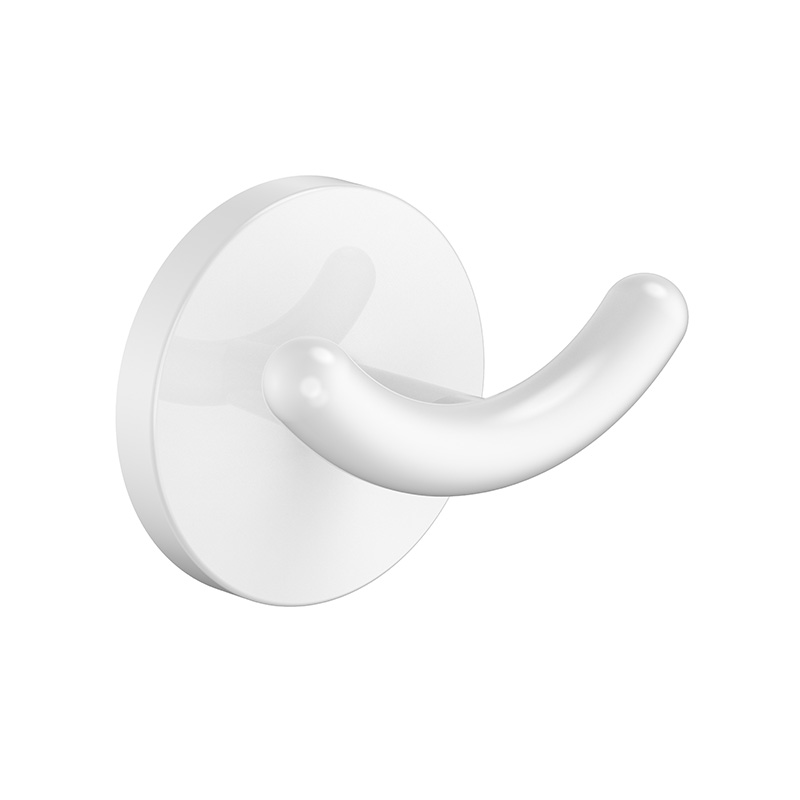
1. Material and Finish: Double robe hooks are available in a wide range of materials, including metal, wood, plastic, and more. Each material can offer a different aesthetic and level of durability. Additionally, the finish, such as chrome, brushed nickel, or matte black, should complement your decor.
2. Installation: Consider how you plan to install the double robe hook. Some hooks require simple adhesive attachment, while others need to be screwed into the wall or door. Ensure that the installation method aligns with your preferences and the surface you'll be attaching it to.
3. Weight Capacity: Double robe hooks come in various sizes and weight capacities. Be sure to check the hook's specifications to ensure it can support the items you intend to hang on without bending or falling.
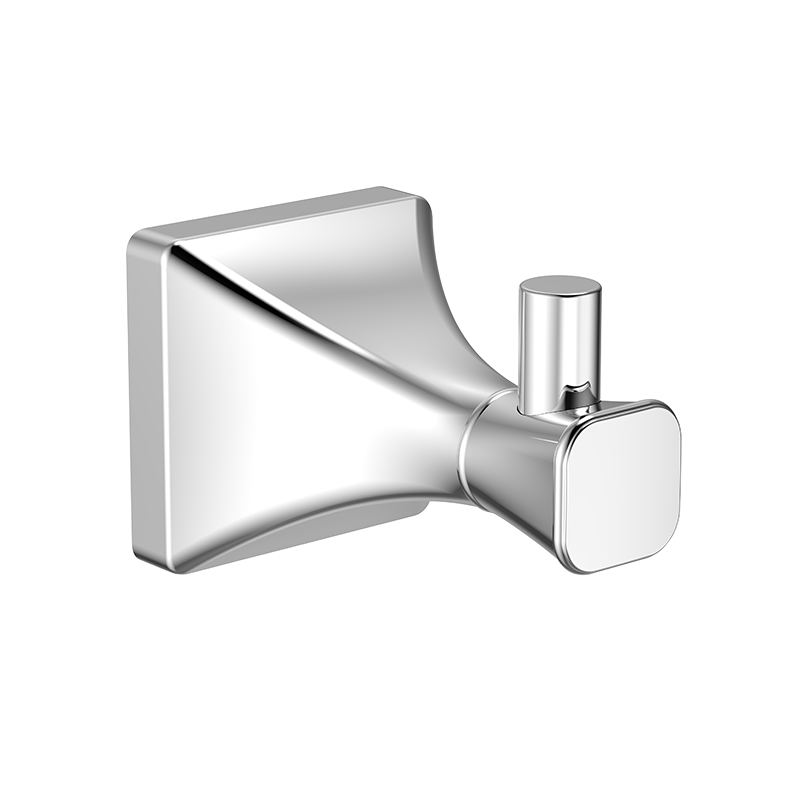
4. Style and Design: Your double robe hooks should harmonize with the overall aesthetic of your home. Whether your decor is traditional, modern, rustic, or eclectic, there are hooks available to match your style.
5. Number of Hooks: Double robe hooks typically have two hooks, but some variations offer more. Consider how many items you need to hang and choose a hook with the appropriate number of prongs.
6. Location: Think about where you intend to install the double robe hook. If it's for a wet area like a bathroom or outdoor space, you may want to opt for materials that are rust-resistant or designed for moisture-rich environments.
Popular Styles of Double Robe Hooks
To cater to various tastes and design preferences, manufacturers offer a wide array of styles for double robe hooks. Here are some of the most popular styles:
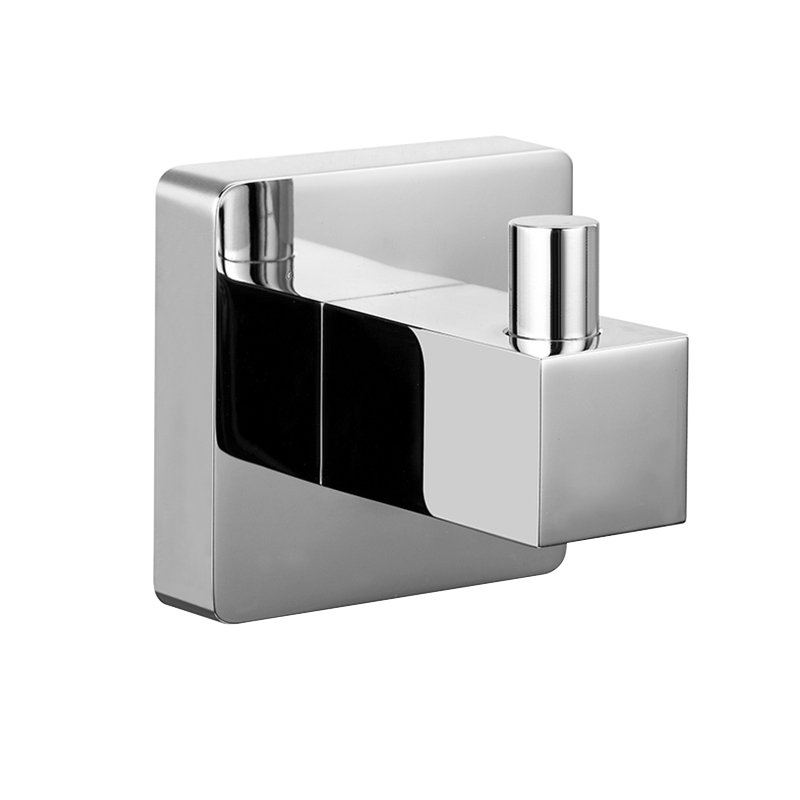
1. Modern and Minimalistic: Clean lines, sleek finishes, and minimalist designs are perfect for contemporary homes. Modern double robe hooks often feature chrome or matte black finishes and simple geometric shapes.
2. Vintage and Rustic: For a more traditional or rustic look, consider double robe hooks with distressed wood or antique brass finishes. These hooks can add a touch of warmth and character to your space.
3. Industrial: Industrial-style double robe hooks often incorporate elements like exposed screws, metal brackets, and distressed textures. They can add an urban and edgy vibe to your decor.
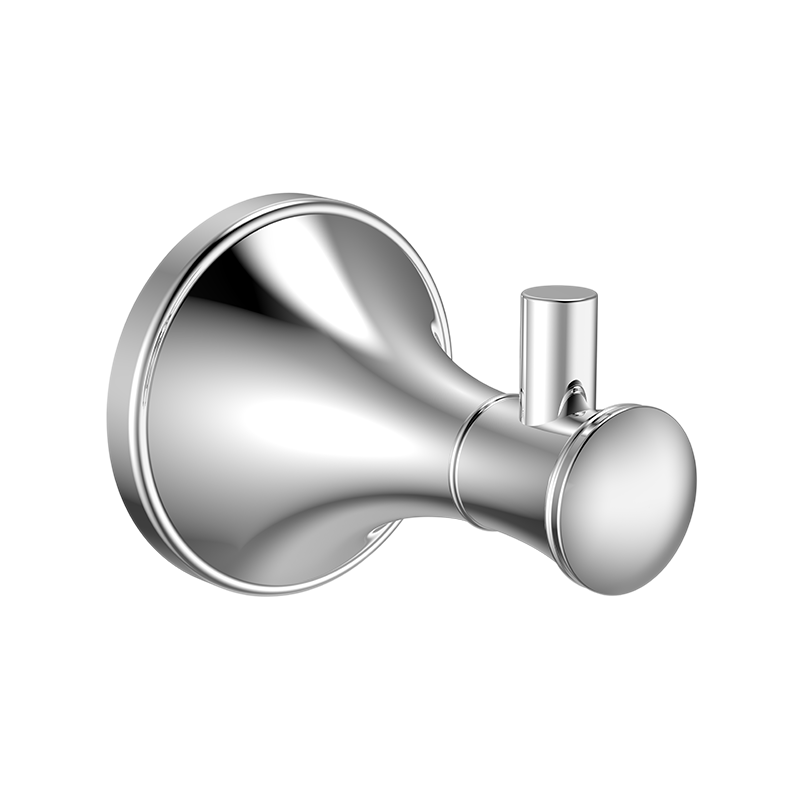
4. Decorative and Ornate: If you want your double robe hooks to be a focal point in your space, opt for decorative and ornate designs. These hooks often feature intricate patterns, scrolls, and elaborate detailing.
Maintenance and Care
Once you've installed your double robe hooks, it's essential to know how to maintain and care for them to ensure their longevity and continued functionality.
Cleaning: Regularly clean your double robe hooks to prevent the buildup of dust, dirt, and grime. Use a soft cloth or sponge with mild soap and water to wipe down the hooks. Avoid abrasive cleaners that can scratch the finish.
Inspect for Rust: If you've installed double robe hooks in areas with high humidity or moisture, periodically inspect them for signs of rust. Rust can compromise both the appearance and functionality of the hooks. Replace any rusted hooks promptly.
Check for Loose Fasteners: Over time, the fasteners that secure the double robe hooks to the wall or door may become loose. Periodically check and tighten them as needed to ensure the hooks remain securely in place.




 English
 中文简体
中文简体 Français