How to prevent bathroom single towel rail from rusting
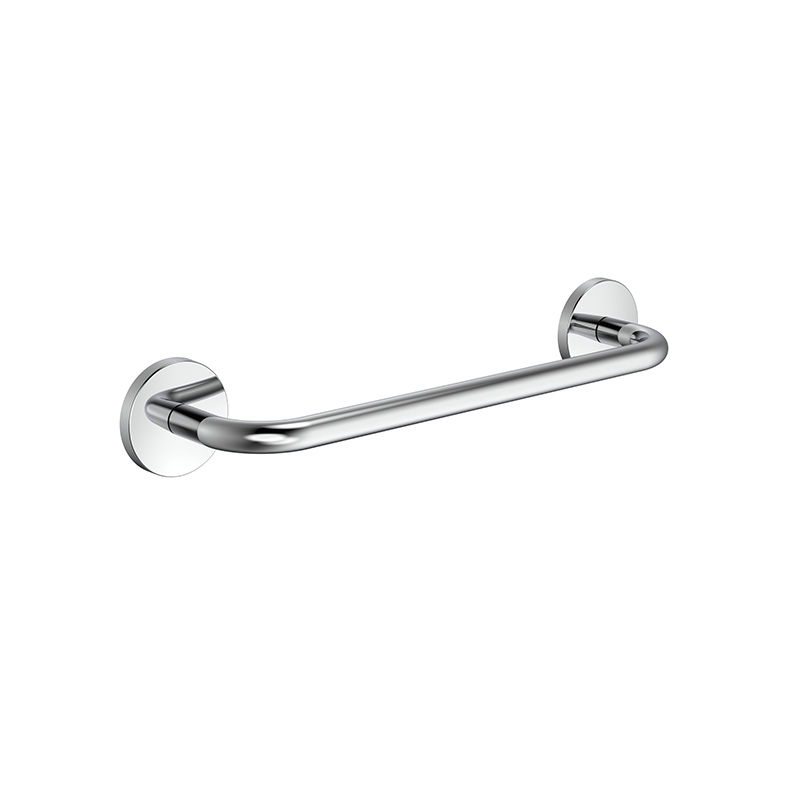
Bathroom single towel rails play an important role in modern homes. They are not only used to hang towels and bath towels, but also play a decorative role to a certain extent. However, the bathroom environment is full of water vapor and high humidity, which can easily cause metal objects to rust. In order to ensure that the single towel rail remains in good use for a long time and prevent rust, it is essential to take appropriate preventive measures.
Choose rust-proof materials
Choosing the right material is the key to preventing the bathroom single towel rail from rusting. Common bathroom towel rail materials on the market include stainless steel, aluminum alloy, copper alloy, plastic, and chrome-plated metal. Different materials have different corrosion resistance, so choosing materials with strong rust resistance is the first step to avoid rust.
Stainless steel: Stainless steel has excellent corrosion resistance, especially 304 and 316 stainless steel, which have the strongest rust resistance. 316 stainless steel contains molybdenum, which can resist high salt spray corrosion and is suitable for humid environments. 304 stainless steel has good corrosion resistance under normal humidity conditions and is suitable for most bathrooms.
Aluminum alloy: Aluminum alloy material is light and corrosion-resistant, but its antioxidant ability is relatively weak and it is easily corroded by humid air. Therefore, the surface of aluminum alloy bathroom towel rack needs to undergo special oxidation treatment to enhance its corrosion resistance.
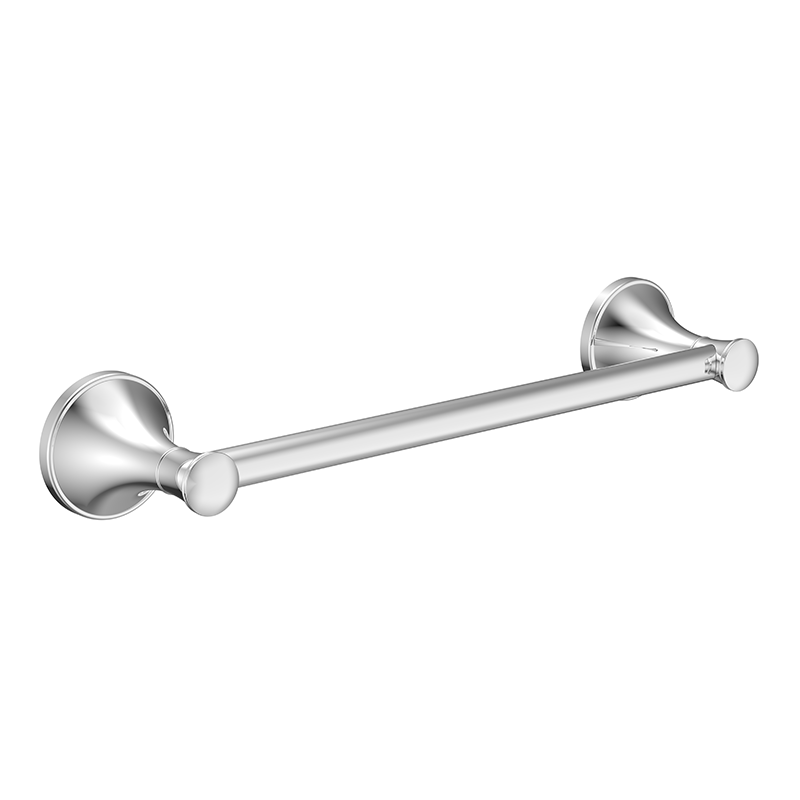
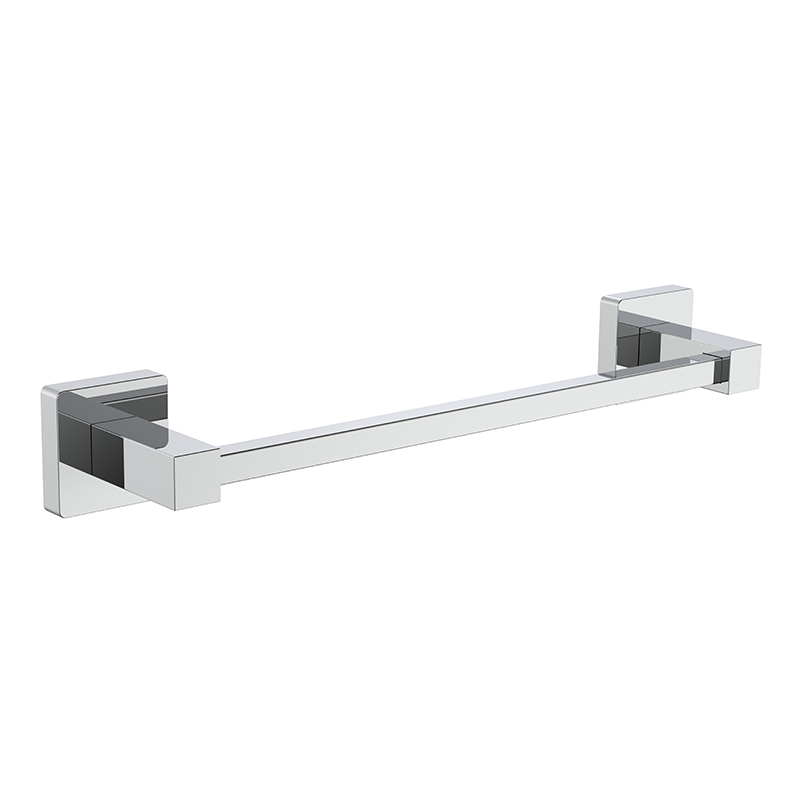
Chrome-plated metal: Chrome-plated metal has a bright appearance, but if the plating is damaged, the exposed metal part will rust more easily. Therefore, when choosing a chrome-plated towel rack, you need to pay special attention to the quality and thickness of the plating.
Regular cleaning and drying
Even the best quality rust-proof materials may still rust if they are in a humid environment for a long time. Therefore, it is very important to clean and keep the bathroom single-pole towel rack dry regularly. After each use of the towel, you can wipe the single-pole towel rack with a clean towel or paper towel to remove the moisture on it. In addition, you can use a dehumidifier or bathroom exhaust fan to keep the air in the bathroom circulating and reduce the accumulation of moisture.
Avoid water accumulation: If there are water droplets on the towel rack, it is easy to breed mold and cause the metal to rust. Therefore, water droplets should be avoided from staying on the surface of the towel rack for a long time.
Choice of cleaning agent: Use mild cleaning agents or special metal cleaning agents, and avoid using cleaning products containing acidic or alkaline ingredients, which may damage the anti-rust coating of the towel rack and accelerate its corrosion process.
Surface protection and coating treatment
In order to improve the rust resistance of the bathroom single-pole towel rack, you can choose a towel rack with a protective coating. For example, chrome plating, spray painting or electroplating can effectively prevent the metal from contacting with moisture in the air, thereby reducing the risk of rust. In particular, coatings such as galvanizing, spraying, and spray painting can isolate moisture and oxygen in the air to a certain extent, thereby effectively preventing rust.
Electroplating treatment: Through the electroplating process, a protective film will be formed on the metal surface, which can increase the hardness and corrosion resistance of the metal surface. However, the durability of the electroplating layer is closely related to the quality. The inferior electroplating layer is easy to peel off and expose the metal bottom layer. Therefore, special attention should be paid to the quality of the electroplating process when purchasing.
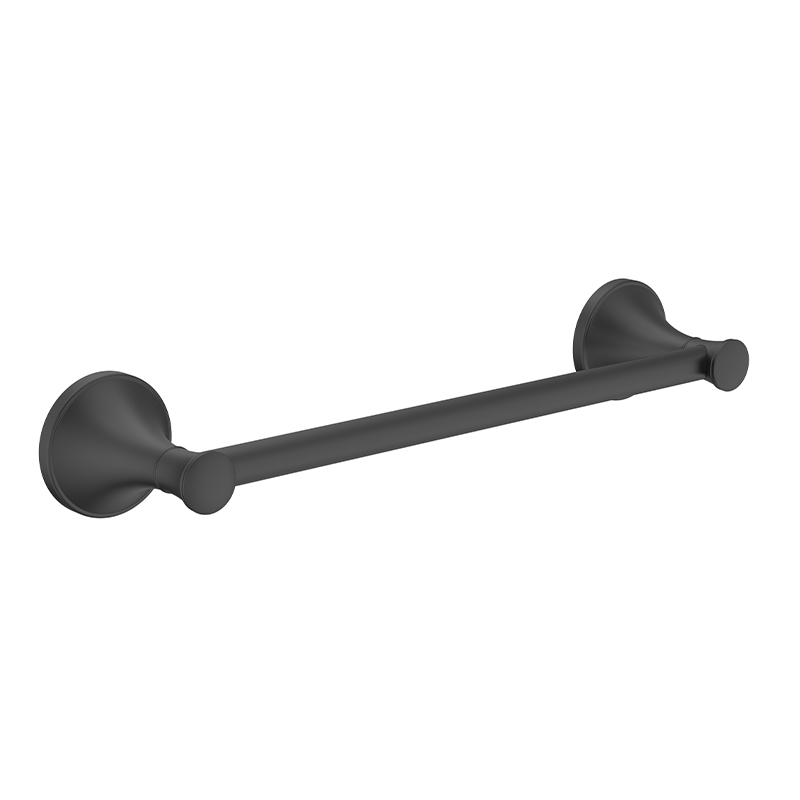
Spray coating: Spray coating can not only increase the rust resistance of the towel rack, but also improve its aesthetics and service life. High-quality spray coatings can form a strong protective layer to resist the erosion of water vapor, salt spray and oxides.
Avoid direct contact with water sources
When installing a bathroom single-bar towel rack, try to avoid placing it in a place where it is in direct contact with water sources. For example, do not place the towel rack under the faucet or near the shower area to avoid water droplets directly contacting the surface of the towel rack. If water contact cannot be avoided, you can choose to install a waterproof cover or add a barrier to reduce the direct contact between the towel rack and water.
Avoid using highly corrosive chemicals
Some household cleaners contain strong acids or strong alkalis. If these ingredients come into contact with the surface of the towel rack, they may damage its anti-rust coating, causing the metal to be exposed and accelerating rust. Therefore, when cleaning the towel rack, avoid using corrosive chemicals such as bleach and strong acidic detergents. Try to use mild detergents or soapy water for cleaning and wipe dry in time.
Regular inspection and maintenance
Regularly check the surface of the bathroom single-bar towel rack for scratches, wear and tear, or cracks. If damage is found, you can take immediate measures to repair or re-coat it. Especially in the humid environment of the bathroom, the damaged parts will be more prone to rust. The surface of the towel rack can be repaired by re-applying the anti-rust coating or using anti-rust oil.
How to clean bathroom single towel rail
The bathroom single-pole towel rack is one of the indispensable accessories in modern homes. Especially in the humid environment, it not only carries the daily use of towels and bath towels, but also adds to the cleanliness and beauty of the bathroom. However, due to the high humidity and water vapor in the bathroom, the towel rack is prone to accumulate scale, soap stains, oil stains and other stains, affecting its appearance and service life. In order to keep the towel rack in good condition, regular cleaning is essential.
Choose the right cleaning tools
When cleaning the bathroom single-pole towel rack, choosing the right tools is the key to ensuring the cleaning effect and avoiding damage. Towel racks of different materials may require different cleaning methods and tools. Generally speaking, the following cleaning tools can be prepared:
Soft cloth or sponge: Use a soft cloth or sponge to avoid scratching the surface of the towel rack. Rough brushes or hard tools can easily scratch the metal surface, causing damage to the surface coating, thereby accelerating the rust process.
Soft brush: If there are stubborn stains or limescale on the surface of the towel rack, a soft brush can help remove the scale without damaging the coating.
Cleaning cloth and paper towels: In the final wiping step, wipe the towel rack dry with a cleaning cloth or paper towel to ensure that there are no water marks.
Choose the right detergent
The choice of detergent is also crucial. There are many types of detergents on the market, but when cleaning towel racks, you should avoid using detergents with strong acids or strong alkalines, as these chemicals may corrode the plating or coating on the surface of the towel rack. The following are suitable detergents for cleaning single-bar towel racks in the bathroom:
Mild soapy water: Mix warm water with a small amount of mild detergent or soap to effectively remove dirt without damaging the surface coating. This cleaning method is very suitable for stainless steel towel racks.
White vinegar: White vinegar has a very good cleaning effect on limescale or light soap stains. Use a 1:1 ratio of white vinegar and water to wipe the surface of the towel rack. White vinegar is acidic enough to dissolve limescale and mineral deposits, but will not cause damage to the surface.
Special cleaners without acid or alkali ingredients: Some professional metal cleaners or stainless steel cleaners can effectively remove oil, fingerprints and other stains while protecting the metal surface of the towel rack.
Cleaning steps
When cleaning the single-pole towel rack in the bathroom, follow the correct steps to not only achieve the ideal cleaning effect, but also avoid damaging the surface of the towel rack due to improper operation.
Prepare cleaning solution: Choose a suitable cleaner according to the material of the towel rack. If there is a lot of scale and mineral deposits on the surface of the towel rack, you can add white vinegar to warm water, or use a special stainless steel cleaner. For mild stains, use clean water and mild soapy water.
Wet cloth or sponge: Soak the cleaning cloth or sponge in the cleaning solution and gently wring it out to avoid excessive water dripping.
Wipe the surface of the towel rack: Use a wet cloth or sponge to gently wipe along the surface of the towel rack, especially the corners and joints where the rack connects to the wall, which are prone to accumulate dust, soap stains and scale. For areas with heavier stains, you can slightly increase the wiping force.
Clean scale and mineral deposits: For areas with more scale and mineral deposits, you can use a soft brush to gently scrub. Soak the surface of the towel rack with a mixture of white vinegar and water, and let it sit for a few minutes before scrubbing for better results.
Rinse and dry: After cleaning, rinse the surface of the towel rack with clean water to remove residual detergent and stains. Then wipe it clean with a clean dry cloth to ensure that the surface is completely dry.
Regular care and maintenance
Regular cleaning is the key to maintaining the appearance and function of the bathroom single-bar towel rack, but in addition to cleaning, proper care and maintenance are equally important. In order to extend the life of the towel rack, you can use the following maintenance methods:
Regular decontamination: Even if there seems to be no obvious stains, regularly wipe the surface of the towel rack with a clean cloth to remove dust and moisture, which can effectively reduce the accumulation of stains.
Avoid scratches with hard objects: During the cleaning process, try to avoid using hard objects or overly sharp tools, which may scratch the surface coating of the towel rack. Scratches not only affect the appearance, but can also become the starting point of rust.
Check the coating regularly: If the coating on the towel rack is damaged or peeling, it should be repaired or re-coated in time. Especially in the humid environment of the bathroom, the damage of the coating will accelerate the oxidation and corrosion of the metal parts.
Use waterproof protection: For stainless steel or chrome-plated towel racks, you can consider using metal waterproof protectors regularly, which can form a thin film on the surface to prevent water from directly contacting the metal and reduce the risk of corrosion.
Avoid common mistakes
When cleaning the single-bar towel rack in the bathroom, avoid the following common mistakes to better protect the surface of the towel rack:
Use strong acid or strong alkaline detergents: Although these detergents have a strong cleaning effect, they can also easily damage the coating on the surface of the towel rack, causing corrosion and rust.
Long-term soaking: Soaking the towel rack in cleaning liquid for a long time, especially in a high humidity environment, will accelerate the corrosion of the metal and damage the towel rack.
Incomplete cleaning: If the surface of the towel rack is not thoroughly dried after cleaning, water droplets and moisture residue will accelerate the corrosion process. Make sure the surface of the towel rack is completely dry to avoid water marks.